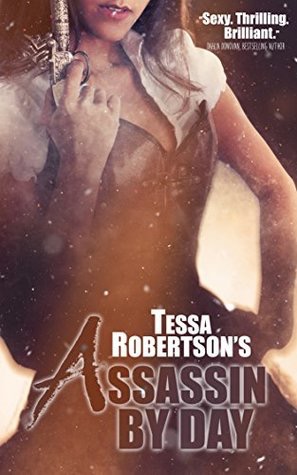
Q & A with Author Tessa Robertson @authoringtessa


Goodreads|Amazon
Release date: September 20, 2017

Publisher: Crooked Cat Books

Genre: Thriller 

Blurb: 

What would you do if the mystery to your mother’s death lay with your employer? 


After years of unanswered questions, Mishka Vald sets out to uncover the skhodka’s involvement in her past. What she doesn’t expect is to join forces with men who push her to become a double-agent and confirm her future. While hunting down leads, the ruthless assassin realizes a life in the shadows is the only way for her to protect those she loves.   


For Mishka, forbidden love is worth the pain when it comes to Eddie Harper, a military man turned cop. Her affection waivers when duty comes first and she joins forces with an elite Russian soldier, Alexei Petrovich. With a blackmailer threatening her school love, she seeks refuge with a fellow assassin, Nickolas Volkov. And when pushed too far, she’s ushered to a secure location…and straight into the arms of mysterious handyman, Dylan Kain. As the pieces fall into place, their mangled order reveals each man’s true intention. Whose deceit can she accept and whose will obliterate her? 


All roads lead back to the woman she thought dead—her mother. Now, as weddings are crashed and alliances tested, Mishka uncovers a deadly game and the players involved. Her heart, once unable to budge, is thrust into action, but which man can keep her soul intact?

Happy Saturday everyone! I have a fabulous interview with Author Tessa Robertson to share today. 
1. What’s a typical writing day for you look like? Describe your perfect writing environment. 

For me, writing happens when I least suspect it. Sometimes, it’s while I’m at my day job (shh don’t tell) and other times it’s right before I go to bed at night. My perfect environment is a light rainstorm outside while I sit on my favorite chaise by the window. Of course, writing wouldn’t be complete without my two cats and two dogs on my lap somehow.


2. How did you get started writing? Was it something that you’ve always loved? 

I’ve always been interested in creating stories ever since I was a child. As the youngest child for six years, it wasn’t uncommon for me to play outside by myself with imaginary characters and go on great adventures. When I was seventeen, I wrote my first full length novel. I didn’t get serious about writing as a profession until a few years ago. 


3. Who are your favorite writers/inspirations? 

I absolutely love Jane Austen’s works. There’s so much spirit in her works that led me to strive to write something memorable. I also love Maya Banks and her Scottish series because who doesn’t love a man in a kilt?


4. Anything you can tell us about upcoming projects? 

I am in the process of writing my sequel to Assassin By Day. I hope to have it completed and to the publisher by fall. I also have another book I’d like to bring to Crooked Cat, but it needs editing. Lots and lots of it.


5. Normally how do you develop plots/characters? Brief us on your process. 

Typically, I start to write what I feel. At times, the characters come from personal experience or the result of people watching. I try to include characteristics different from your normal characters so they’re more like life. Sometimes, that means pushing the envelope. For Assassin By Day, I didn’t plot much until I went back through to edit. The plot charts helped me tie the plots and relationships together and keep tabs on what I wanted the next few books to look like. 


6. Favorite character from one of your own novels? 

Definitely Mishka Vald. She’s a kickass assassin who’s been through hell, but somehow still finds room in her heart to love. 


7. Preferred method for readers to contact you? 

I’m very active on social media such as Facebook, Twitter, Instagram, so I would go there first. I also have a website readers can subscribe to get news about upcoming events and my blog insights. https://authortessarobertson.wordpress.com/


8. On average, how long does it take you to write a book? 

Assassin By Day took about two months to write, but much longer to edit since I changed quite a few things along the way. On average, from pen to final product, I’d estimate a good 4-5 months if I’m just working on that project. That doesn’t happen too often, though.


10. Which one of your characters do you relate to the most?

 I’m going to go with Mishka again. I created her to be a combination of myself and I can relate to a few situations she goes through in the book. I don’t want to give away too many details, but she’s my spirit animal in many ways. 


11. If writing wasn’t your career what would you be doing? 

Well, right now I’m only writing part-time. I’d love to be full-time someday. When I’m not writing, I work as a paralegal at a law firm. Criminal cases are my favorite. 


12. What’s the best compliment that you’ve received about your work? 

The best compliment thus far is ‘I couldn’t put it down and lost sleep to finish the book’. 

Huge thanks to Tessa for joining me today! ❤️

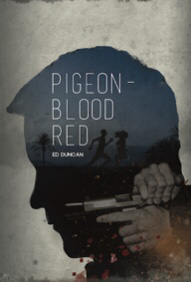
Q & A with Ed Duncan, author of Pigeon Blood Red @pigeonbloodred


Goodreads|Amazon
Release date: February 25, 2016

Genre: Mystery/Thriller 

Blurb:

For underworld enforcer Richard “Rico” Sanders, it seemed like an ordinary job. Retrieve his gangster boss’s priceless pigeon-blood red ruby necklace and teach the double-dealing cheat who stole it a lesson. A job like a hundred before it. But the chase quickly goes sideways and takes Rico from the mean streets of Chicago to sunny Honolulu, where the hardened hit man finds himself in uncharted territory when a couple of innocent bystanders are accidentally embroiled in the crime.


As Rico pursues his new targets, the hunter and his prey develop an unlikely respect for one another and Rico is faced with a momentous decision: follow his orders to kill the couple whose courage and character have won his admiration, or refuse and endanger the life of the woman he loves? 

Hey everyone! I hope y’all are having a wonderful weekend. I have a Q & A with Ed Duncan to share today, enjoy!

Q & A

1. What’s a typical writing day for you look like? Describe your perfect writing environment.

Since I’m retired, I really don’t have a typical writing day. I just came back from a writing conference, and one of the key note speakers, Lisa Scottoline, said that she writes, I believe, 2 to 3,000 words a day without fail. I’ve heard a number of other writers say they spend a certain number of hours per day in front of the keyboard or that they write a minimum number of words per day, and sometimes I feel guilty about not having a set routine that I follow day in and day out. However, that would make writing feel like too much of a job (and Lisa and the other writers referred to above do indeed treat writing as a job — which they enjoy), and having retired after 37 years of practicing law, often under highly pressurized circumstances, having another “job,” even one more relaxing than my last one, is the last thing I need. 


In short, I only write when the muse arrives, and that can be any time except bright and early in the morning since I’m an insomniac and don’t go to bed until the wee hours of the morning. When I was practicing law, I had to force myself to get up in the morning. Now I stay up until I’m sleepy. When the muse does arrive, the perfect writing environment for me is the upstairs room where I write, surrounded by silence, save for the sounds of me typing on the keyboard of the computer.


2. How did you get started writing? Was it something you’ve always loved?


I’ve enjoyed writing since English composition days in high school. My teachers often complimented me on my writing, and one of them wrote on a term paper of mine that my writing was seldom, if ever, equaled among her students. I considered that to be the ultimate compliment, and it caused me to think that I might have the talent to become a writer some day. Alas, I became a lawyer instead and I did a great deal of writing in that career. For instance, in 2008 I wrote a legal treatise for lawyers and judges called Ohio Insurance Coverage and updated it annually through 2012. But what I really wanted to do was write fiction and I retired to do just that (and also to travel.)

3. Who are your favorite writers/inspirations?

Some of my favorite writers in my genre (crime) are Dashiell Hammett, Lee Child, Dennis Lehane, Walter Moseley, and Scott Turow. Other favorites are Ernest Hemingway, James Jones, Somerset Maugham, Richard Wright, Ken Follett, Theodore Dreiser, Bruce Catton, and Michael Shaara. They are a diverse group but, of course, what they all have in common is their command of the English language.

4. Anything you can tell us about upcoming projects?

Pigeon-Blood Red is the first installment in a trilogy. I just finished the second, which will be called The Last Straw. It reunites the main characters from the first book. Here is the log line: “When a teen-age girl witnesses a carjacking gone bad, she is marked for death by a crime boss with no apparent motive. A black lawyer and a white enforcer with an unlikely history join forces to protect her from a hit man with an agenda of his own.” The third book in the trilogy is tentatively entitled Rico Stays.

 5. Normally how do you develop plots/characters? Brief us on your process.

The two main characters in my trilogy — Paul, a lawyer, and Rico, an enforcer/hit man — come from different sides of the tracks. Consequently, their paths would not normally intersect. Therefore, I had to dream up realistic fact patterns that would bring them together in the context of a crime that impacted both of them. So that required a fair amount of brainstorming. I have come up with the ingredients for each book in the trilogy and after I finish the third, I may decide whether to add one or more books.

6. Favorite character from Pigeon-Blood Red?

Rico is my favorite character. I suspect he will be readers’ favorite as well. A “killer with a conscience,” he is filled with contradictions, which makes for a complex character. He has no qualms about killing men but he never kills children and he kills women only reluctantly and when they richly deserve it. He justifies killing at all on grounds that his victims all “had it coming,” but he knows he cannot always be certain of that. He is loyal to a fault and if you do him a favor, he’ll never forget it, even if you want him to. His girlfriend is a prostitute but that doesn’t bother him because her job doesn’t define her. He is a man of few words and he can be distant and brooding, but he also has a quick, dark sense of humor. In sum, you may question how he makes his living, but if you are in trouble, you want him on your side.

7. Preferred method for readers to contact you?

Readers can check out my author page on Amazon (www.amazon.com/author/edduncan), and they can visit my web page (www.eduncan.net). I’m also on Facebook (www.fb.com/ed.duncan 1210), Twitter ((@pigeonbloodred), and Pinterest.

8. On average, how long does it take you to write a book?

That’s difficult to answer because I don’t maintain a strict writing schedule. So it depends on how much time I happen to be writing per day when I’m writing at all. I worked on Pigeon-Blood Red for years because I wrote only at night after work and on weekends, and sometimes I set it aside for months on end. By contrast, I think I was able to finish The Last Straw in about 9 months.

9. Which one of your characters do you relate to the most?


I relate to Paul the most. He is a greatly exaggerated version of my younger self, only he is taller, smarter, better looking, more resourceful, etc. In fact, Paul was meant to be the main focus of the novel, but Rico fought me at every turn and ultimately took over the narrative by dent of his strong personality.


10. If writing wasn’t your career, what would you be doing?


I would be traveling to every corner of the world. Actually, I’m doing quite a bit of that now. I’ll be leaving for China, Hong Kong, and Japan in late September, and I visited South Africa and Cuba last year. Assuming I had to earn a living, though, I would probably still be a lawyer.


11. What’s the best compliment that you’ve received about your work?


I’ll quote it:  


“Duncan is definitely an author to keep an eye on. He can do humour and he can do heartbreak. This was more than just a crime thriller [sic] it was also about love, marriage and second chances. Pigeon-Blood Red is a superb crime thriller debut and I’m looking forward to the next book in this trilogy.”


That was high praise indeed and I hope every novel in the trilogy lives up to it.

Huge thanks to Ed for joining me today and to Kelsey at Book Publicity Services for arranging this! 

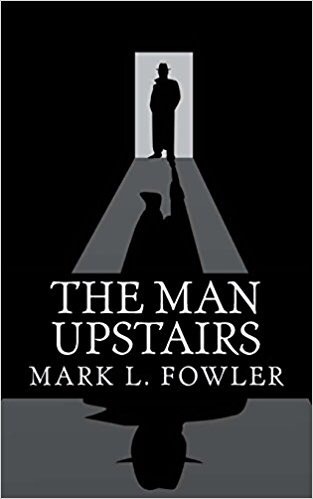
Blog Tour: The Man Upstairs by Mark Fowler @MFowlerAuthor


Goodreads|Amazon UK|Amazon UK
Release date: September 29, 2015

Genre: Crime Fiction

Blurb: 

Frank Miller, hero of the best-selling mystery novels written by The Man Upstairs, works the weird streets of Chapeltown as a private detective. During the legendary case of the Black Widow everything changed when Frank became aware of his fictional existence. Proclaimed at the time as a work of genius, Frank wonders if it was the first sign that The Man Upstairs was sick. This latest case, involving the death of a care worker, and coinciding with the appointment of Chapeltown’s first elected mayor, has Frank baffled. The Man Upstairs appears to be losing the plot, giving the womanising Frank a steady girlfriend, Marge, who warns him that to survive he must change from the tired cliche that he has become. As the case darkens Frank recognises the depth of his creator’s sickness. His days are numbered as clearly as the pages in the books in which he features. The looming battle with the Mayor of Chapeltown is nothing less than the battle to save himself, Marge, the series – and the mind of The Man Upstairs. The Man Upstairs is plotting to kill Frank Miller and take Chapeltown to hell.” 

Welcome to my stop on the blog tour for The Man Upstairs, I have a Q & A with the author to share today.


Q & A

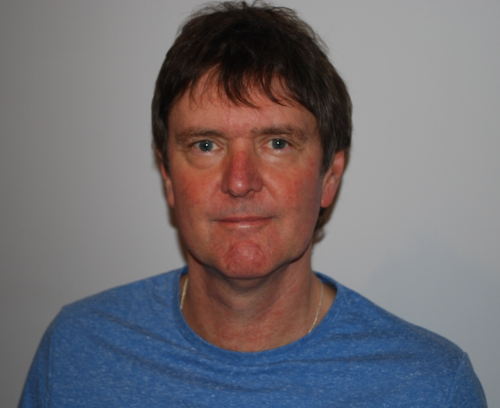
Hi, I’m Mark L. Fowler, author of three published novels. Coffin Maker was published in 2014. The Man Upstairs followed in 2015, and Silver was published by Bloodhound Books in 2016. My latest book, Red Is The Colour, is due to be published, again by Bloodhound Books, in July 2017.

WHAT OR WHO WAS YOUR FIRST INSPIRATION TO PICK UP A PEN AND WRITE? WHERE DO YOU FIND YOUR CURRENT INSPIRATION?

I’m not sure I can trace that initial inspiration to any one author. As a child, I used to love reading Enid Blyton, and the Pan Horror series. Then I discovered the likes of Edgar Allen Poe, Raymond Chandler, Ray Bradbury, Shirley Jackson, Lawrence Block, Minnette Walters, Arthur Conan Doyle, Ambrose Bierce and so many others. I tend to draw inspiration from all over the place, from fiction and non-fiction, TV, film and real life. Once the antennae is tuned in, I find, there is inspiration to be found everywhere.

WHAT MADE YOU CHOOSE YOUR PARTICULAR WRITING GENRE. HAVE YOU WRITTEN OR THOUGHT ABOUT WRITING IN ANY OTHER?

I began writing short stories, and I was able to experiment with a number of my favourite genres, sometimes mixing them to create particular effects. I had a restless drive to explore what lay out on the borderlands. I write in a few genres, ones that I enjoy reading in. As I love reading crime and mystery novels, psychological thrillers, gothic fantasy/horror I tend to write mainly in those genres. Red Is The Colour is my first out and out crime novel, while Coffin Maker was gothic horror/fantasy. With The Man Upstairs and Silver I mixed genres. The Man Upstairs was an opportunity to use a hardboiled detective in a fantastic context, and it was so much fun to write. The cynical wit of the world-weary pulp-fiction hero seemed perfect for an existential crisis.

HOW DO YOU LIKE TO CONDUCT YOUR WRITING? IS THERE A SET ROUTINE YOU FOLLOW?

If I possibly can I like to write most days, and I generally feel happiest when I have a project on the go. I enjoy that sense of momentum, and having something to get my teeth into. There’s nothing worse than a blank page. Having said that, a blank page can also be a challenge. I often start a new project with a What If? scenario that grabs me and gets the juices flowing.

HOW DO YOU CHOOSE YOUR COVERS? WHERE DO YOU START AND HOW DO YOU COME TO THE FINAL DECISION? DO YOU HAVE A FINAL SAY?

With Silver and Red Is The Colour, Bloodhound Books designed the covers, though they consulted with me in the process. I chose the covers for Coffin Maker and The Man Upstairs, and spent quite a long time searching for just the right images. I was particularly pleased with the cover of The Man Upstairs.

ARE YOUR CHARACTERS, GOOD OR BAD, BASED ON ANYONE YOU KNOW?

There are a few instances where I have been inspired by someone I know, but I am always very careful to create my own characters and not lift them wholesale from real life. Occasionally there may be a character inspired by more than one person, and I may take a bit from here, a bit from there. Frank Miller, the hero of The Man Upstairs, was based on the hardboiled detective heroes of American Noir. You are unlikely to come across anyone quite like him, but at the same time you are bound to recognize him too.

IS THERE ONE PIECE OF WRITING YOU ARE MOST PROUD OF AND WHY?

I’m proud of all of my books. They’ve all involved a lot of hard work, but also a great deal of fun and satisfaction. Doing what I love best and telling stories. Because Coffin Maker was my first book, it will always hold a special place in my heart. A lot of people like that book and it is impossible to pigeonhole. But The Man Upstairs is special in a different way. Sometimes I feel like I could spend the rest of my life writing about Frank Miller.

AND FOR A BIT OF FUN…..

WHAT IS YOUR FAVOURITE BOOK FROM CHILDHOOD? WHAT IS YOUR FAVOURITE BOOK AT THE MOMENT?

I recently rediscovered Enid Blyton’s The Mystery That Never Was. I loved that book as a child. Possibly my favourite book at the moment is Pop 1280 by Jim Thompson.

IF YOU COULD HAVE ANY 4 AUTHORS (ALIVE OR DEAD) AT A DINNER PARTY WHO WOULD IT BE AND WHY?

Ray Bradbury, Stephen King, Shirley Jackson and Thomas Harris. They all have such fantastic imaginations and they all know how to tell a story. I think it could be a very long dinner party, and I hope that during the evening we could all gather around a roaring fire to hear some ghost stories.

QUICK FIRE ROUND……


Favourite colour- Red is the Colour at the moment.

Favourite food- A good roast or a stir fry.

Favourite film- Casablanca.

Favourite song – Kentucky Avenue, Tom Waits.

Real ale or wine? Wine.

Beans or peas? Peas.

Sauce-Red or brown?- Red.

Kindle or paperback?- I prefer a book for non-fiction, particularly reference books, but for novels I really don’t mind.

Chocolate-Milk or Dark?- Dark.

Tea or coffee? Tea in, coffee out.

Coke or pepsi?- Don’t care.

Tapes/C.D’s/Vinyl?- CDs – I never play my vinyl these days, sadly. I keep meaning to though.

Marmite-Love it or hate it? Hate it.

 Huge thanks to the author for joining me today! 

About the Author: 


Mark L. Fowler is the author of the novels Coffin Maker, The Man Upstairs, Silver, and Red Is The Colour, and more than a hundred short stories. His particular interests are in crime and mystery, psychological thrillers and gothic/horror fiction.


His first published novel, Coffin Maker, is a gothic tale set between our world and the Kingdom of Death. In the Kingdom the Coffin Maker lives a solitary existence, and every coffin he completes signals the end of a life in our world. One day he discovers that he is to be sent two apprentices, amid rumours that the devil is arriving on Earth.


Mark’s second novel, The Man Upstairs, features the hard-boiled detective, Frank Miller, who works the weird streets of Chapeltown. Having discovered that he is in fact the hero of twenty successful mystery novels, authored by The Man Upstairs, Frank has reasons to fear that this latest case might be his last.


In 2016, Silver, a dark and disturbing psychological thriller was published by Bloodhound Books. When a famous romance novelist dies in mysterious circumstances, she leaves behind an unfinished manuscript, Silver. This dark and uncharacteristic work has become the Holy Grail of the publishing world, but the dead writer’s family have their reasons for refusing to allow publication.


Red Is The Colour is Mark’s latest book, a crime mystery featuring two police detectives based in Staffordshire. The case involves the grim discovery of the corpse of a schoolboy who went missing thirty years earlier. Red Is The Colour is the first in a series featuring DCI Tyler and DS Mills, and will be published in July 2017 by Bloodhound Books.


The author contributed a short story, Out of Retirement, to the best-selling crime and horror collection, Dark Minds. Featuring many well-known writers, all proceeds from the sales of Dark Minds go to charity.


A graduate in philosophy from Leicester University, Mark lives in Staffordshire, and is currently writing a follow up to Red Is The Colour. When he isn’t writing he enjoys time with family and friends, watching TV and films, playing guitar/piano and going for long walks.

Amazon|Facebook|Twitter

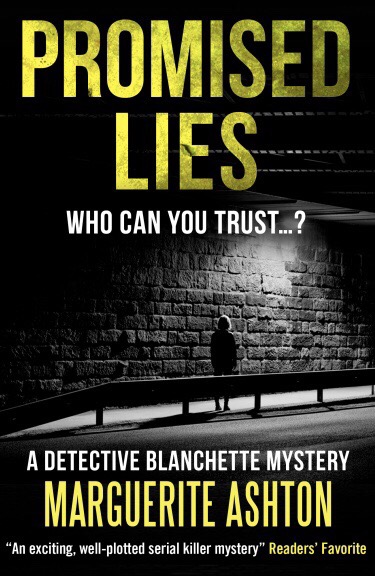
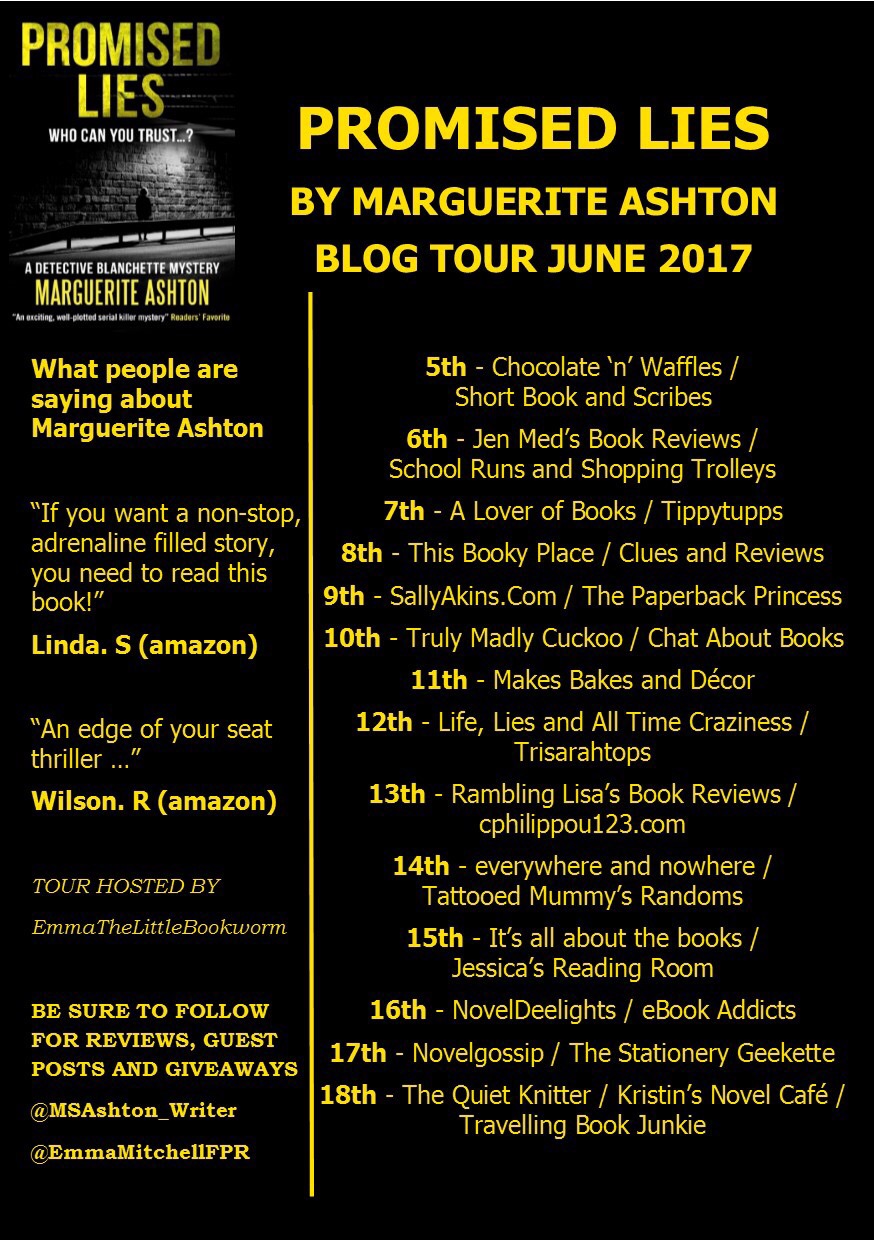
Blog Tour: Promised Lies by Margeurite Ashton @MSAshton_Writer @emmamitchellfpr


Goodreads|Amazon US|Amazon UK
Release date: March 16, 2017

Publisher: Endeavour Press 

Blurb: 

Detective Lily Blanchette has a lot on her plate. Her sister, Celine, was murdered, her parents are on the verge of divorce, and after a whirlwind romance, she married a man she barely knows.

When the bodies of two young women are found, it is clear that the killer is the same person who murdered her sister, Lily sets out to find out who that is.

As the investigation comes to life, Lily realises that all is not as it seems in her life, who can she actually trust and who is she?

Welcome to my stop on the blog tour for Promised Lies, I have an author interview to share today!

Do you prefer Twitter or Facebook, why?

Twitter, 140 characters forces you to be more creative with your posts.

Which book character do you wish you had written?

Nancy Drew

Why did you write a book?

This was my way of expressing to my readers, snapshots of life, and how I see and solve problems within them.

Why did you choose your particular genre?

I am drawn to the drama, and need to show how reality can make great fiction.

If you had to write in a different genre, which would you choose?

Historical Fiction, just enough realism to believe it’s possible.

What’s the worst thing about writing a book?

Writing the first draft without self-editing…free flowing is hard to achieve.

What’s the best thing about writing a book?

Rewrites – My writing mentor taught me to take the good and improve it, polish and even surprise myself with a potential, alternative ending.

If you could be anyone for the day, who would you be?

Steven Spielberg, so I could get a behind the scenes look at creating a world class make believe environment for his characters and viewers.

Thanks so much to Margeurite for joining me today. 

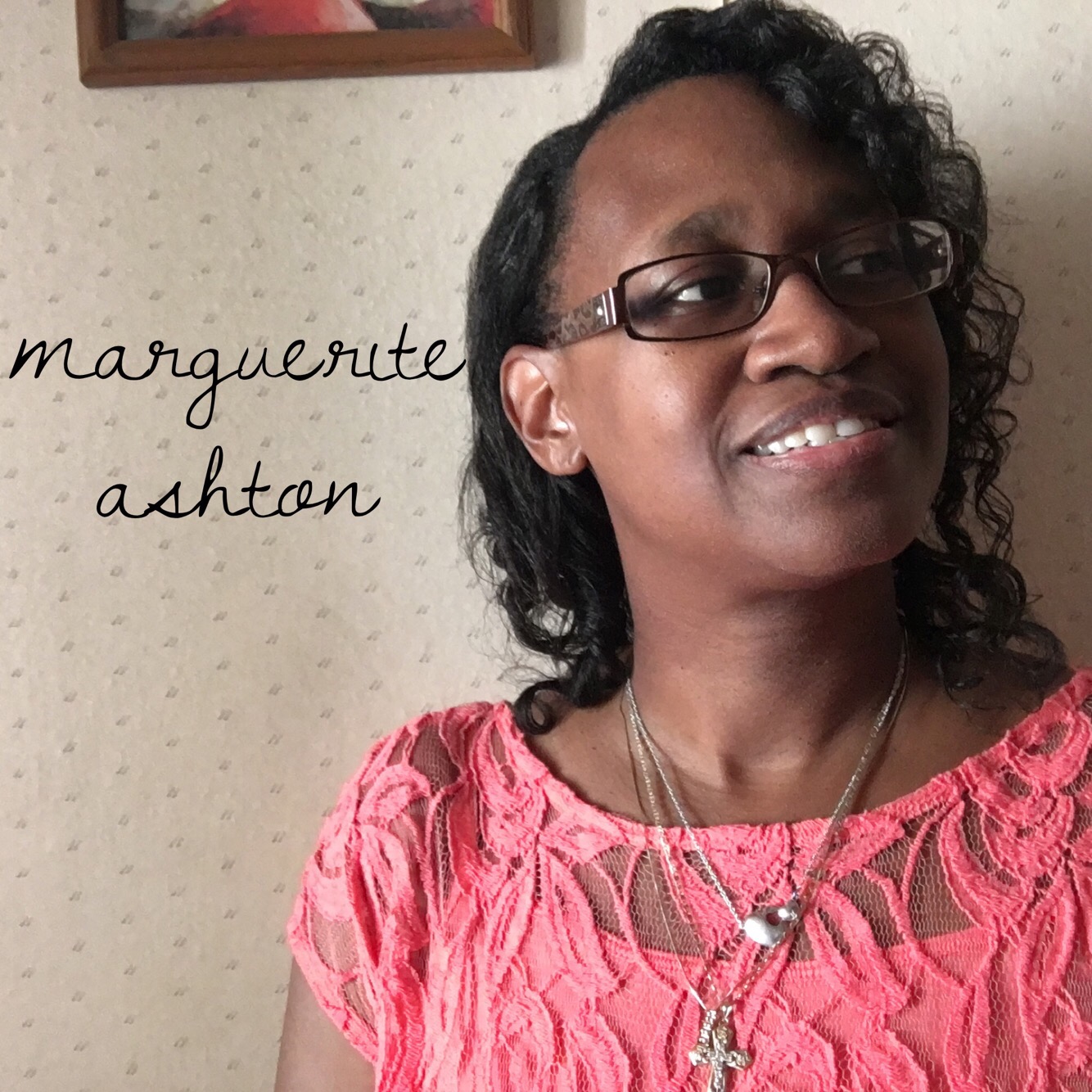
About the Author: 


When Marguerite Ashton was in her twenties, she took up acting but realized she preferred to work behind the camera, writing crime fiction. A few years later, she married an IT Geek and settled down with her role as wife, mom, and writer. Five kids later, she founded the Crime Writer’s Panel and began working with former law enforcement investigators to create; Criminal Lines Blog, an online library for crime writers who need help with their book research.
She’s a workaholic who hides in her writer’s attic, plotting out her next book and stalking Pinterest for the next avocado recipe. 
A member of Sisters in Crime, Marguerite grew up in Colorado, but is now happily living in Wisconsin and playing as much golf as possible. She can be found on Twitter and Facebook.

Giveaway: 

One of two ebooks


https://widget-prime.rafflecopter.com/launch.js

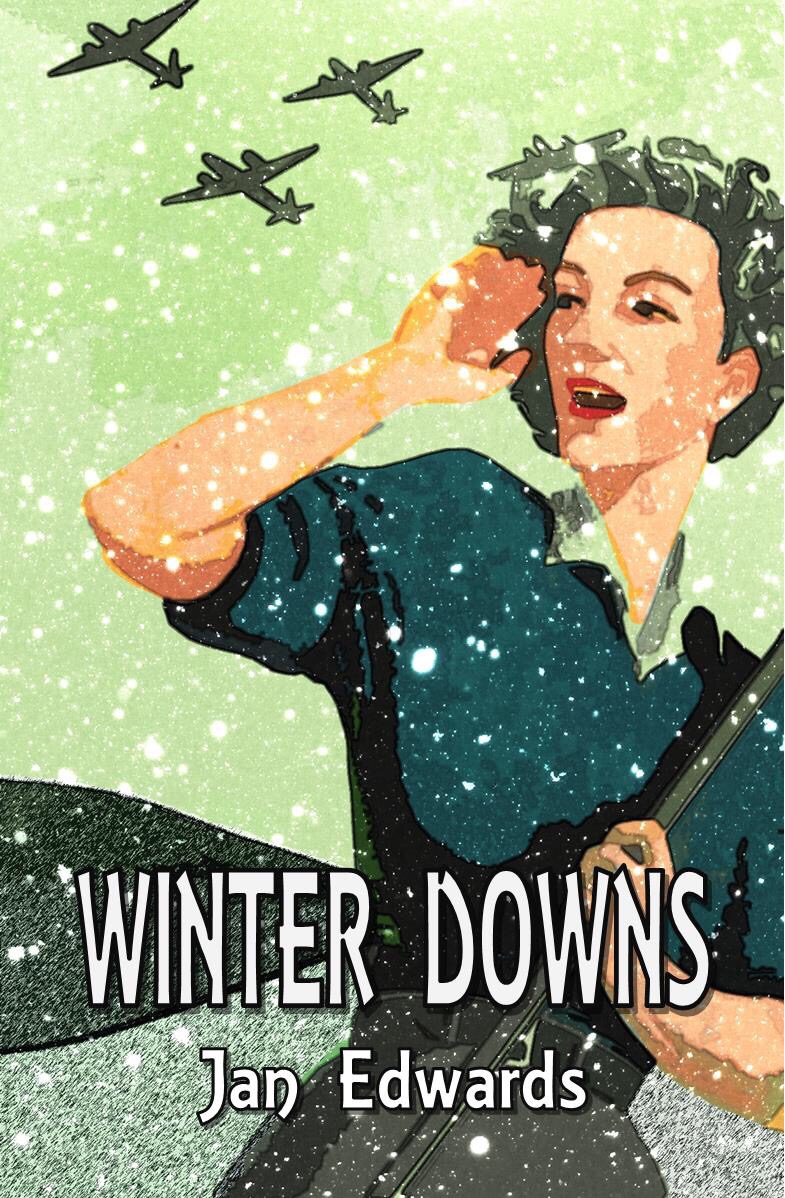
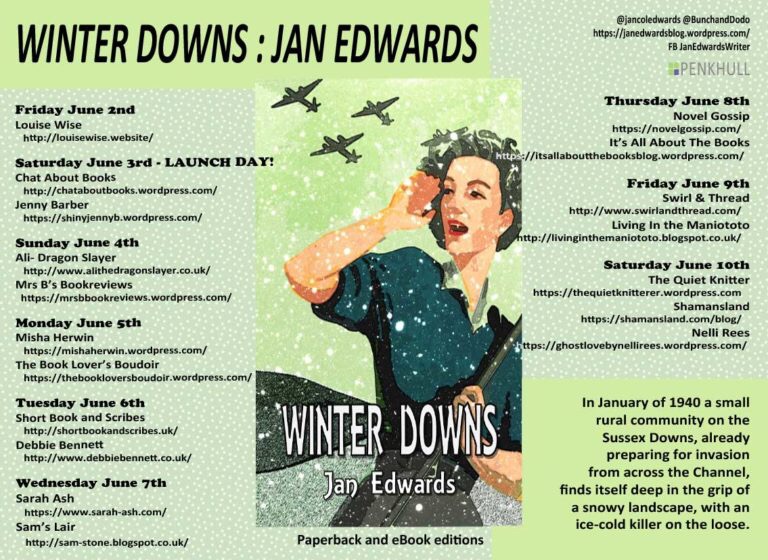
Blog Tour: Winter Downs by Jan Edwards @Jancoledwards


Goodreads|Amazon US|Amazon UK
Release date: June 3, 2017

Publisher: Penkhull Press

Blurb: 

In January of 1940 a small rural community on the Sussex Downs, already preparing for invasion from across the Channel, finds itself deep in the grip of a snowy landscape, with an ice-cold killer on the loose. 


Bunch Courtney stumbles upon the body of Jonathan Frampton in a woodland clearing. Is this a case of suicide, or is it murder? Bunch is determined to discover the truth but can she persuade the dour Chief Inspector Wright to take her seriously?


Winter Downs is first in the Bunch Courtney Investigates series. 

Welcome to my stop on the blog tour for Winter Downs. I have a Q and A with the author to share today. 


Q&A


1. What’s a typical writing day for you look like? Describe your perfect writing environment.


I don’t have a typical writing day, though I’d probably get a lot more done if I did! My best writing time is the wee small hours between 11pm and 2 am. It’s a habit I developed when my kids were small and it was the only time of day when there was a modicum of quiet. Oddly I can write using the laptop in front of the TV or play music when I write to create white noise. I am too easily distracted; usually in researching tiny details that I can’t write past. I have to know if X brand of toothpaste was available in 1940. Or what the applicator in a 1930s handbag powder compact was made from. These things intrigue me and I’m a mine of totally useless information.


2. How did you get started writing? Was it something that you’ve always loved?


I began writing my own stories when I was till at infant school. I suspect that was down to living in a very rural area that lacked a library to pillage and because I was sick a lot so writing relieved the boredom of long spells in bed. I once spend several weeks (aged around eight years old) being a character in a book I was trying to write and referring to myself in third person. My father had explained why some books were first and some third person – yes I was that child with the constant ‘why’ on my tongue – and as the whole concept fascinated me I had to try it out for myself. The family were highly amused and it took me years to live it down!


3. Who are your favourite writers/inspirations?

Always a tricky question because I read anything and everything until I was well into my teens. Only then did I start to gravitate more toward crime/horror/fantasy, and that due mainly to my abiding passion for folklore and myths. I grew up on a diet of Enid Blyton and Arthur Ransome and abridged classics.

I came across Michael Moorcock’s science fantasy in 1969 and was blown away! It was such a new concept to me at the time. Other authors? Jane Austen, Daphne Du Maurier, Raymond Chandler, Agatha Christie, Dorothy L Sayers et al. I love Peter James’s fiction and a zillion other modern crime writers but I have also always read classic crime by the bucket load, which has influenced the whole process of dreaming up and writing Winter Downs, which is set in 1940.


4. Anything you can tell us about upcoming projects?


Winter Downs is the latest project and is the first in a planned series of crime novels. To quote the rear cover, “In January of 1940 a small rural community on the Sussex Downs, already preparing for invasion from across the Channel, finds itself deep in the grip of a snowy landscape, with an ice-cold killer on the loose.”


I’ve had a number of Sherlock Holmes short stories published – full details on my blog at:

https://janedwardsblog.wordpress.com/bibliography/short-fiction/ 

so crime in various forms has been uppermost. I was also part of the script writing team for a Dr Who DVD that includes White Witch of Devil’s End – which is released in November I believe? https://www.galaxy4.co.uk/product.thtml?id=3557&vts=gvJ5AgE


5. Normally how do you develop plots/characters? Brief us on your process.


I have always been an advocate of the Stephen King school of writing in that I don’t plot too closely. That way I am as surprised as the reader when things happen. Crime, especially whodunnits, are a little different because the clues have to be there for a reader to pick up on. I still write from the gut but make sure that those clues are all there in the rewrites.


Likewise characters can develop by osmosis. In Winter Downs, for example, the main characters were meant to be Bunch and her sister Daphne (Dodo). But when Chief Inspector Wright walked on stage he just failed to leave and Dodo got shoved into the background just a little. Wright was just the perfect foil for Bunch and I really had no option but to give him some room.


6. On average, how long does it take you to write a book?


It’s that proverbial piece of string! First draft for Winter Downs took just a few months. The far harder and longer part came with the editing.


7. What’s the best compliment that you’ve received about your work?

A recent review for my Leinster Gardens ghost story collection said: “I thought Nanna Barrows (was) my favourite, until I read R for Roberta, then I changed my mind again when I read Redhill Residential, then The Clinic, then Wade’s Run…” It was humbling to have a reviewer be unable to pick a favourite.

But it was the late and very great Tanith Lee that made me blush. She was kind enough to read my short story collection Fables and Fabrications and called it a …fascinating and engrossing read that is subtle and elegantly elusive. High praise from the Queen of dark fantasy!


10. If writing wasn’t your career what would you be doing?


Who knows? I’ve already tried my hand at so many things. I was a Master Locksmith for 20 years but also been a bookseller, microfiche photographer, stable girl, sold motorcycles, grown house plants, worked as a lab technician and been a librarian. Currently in addition to being a writer I am a practising Reiki Master.


8. Favourite character from one of your own novels?


I have a noir cosmic horror character Cpt Georgi, very much in the Agent Carter mould, that I write about in short fiction now and then. When it comes to my Holmes stories I always have a soft spot for Watson. I am exasperated by some of the TV and Film versions where Watson is portrayed as a buffoon. In the books he was far from being that. Yes Holmes may appear quicker on the uptake when it comes to analysing the evidence but he is a genius and faster than everyone (with the possible exception of Mycroft).

But Bunch Courtney is my favourite. She is often frustrated by the restrictions placed in woman of that era and fully intends to take advantage of the opportunities that the circumstance has to offer. She is in control of her own destiny throughout Winter Downs and I am looking forward to following in her wake in the next two novels already in planning and beyond.


9. Preferred method for readers to contact you?

Readers can contact me via the contact page on my blog https://janedwardsblog.wordpress.com/contact/ or on my facebook page https://www.facebook.com/Janedwardsbooks/


 About the Author: 


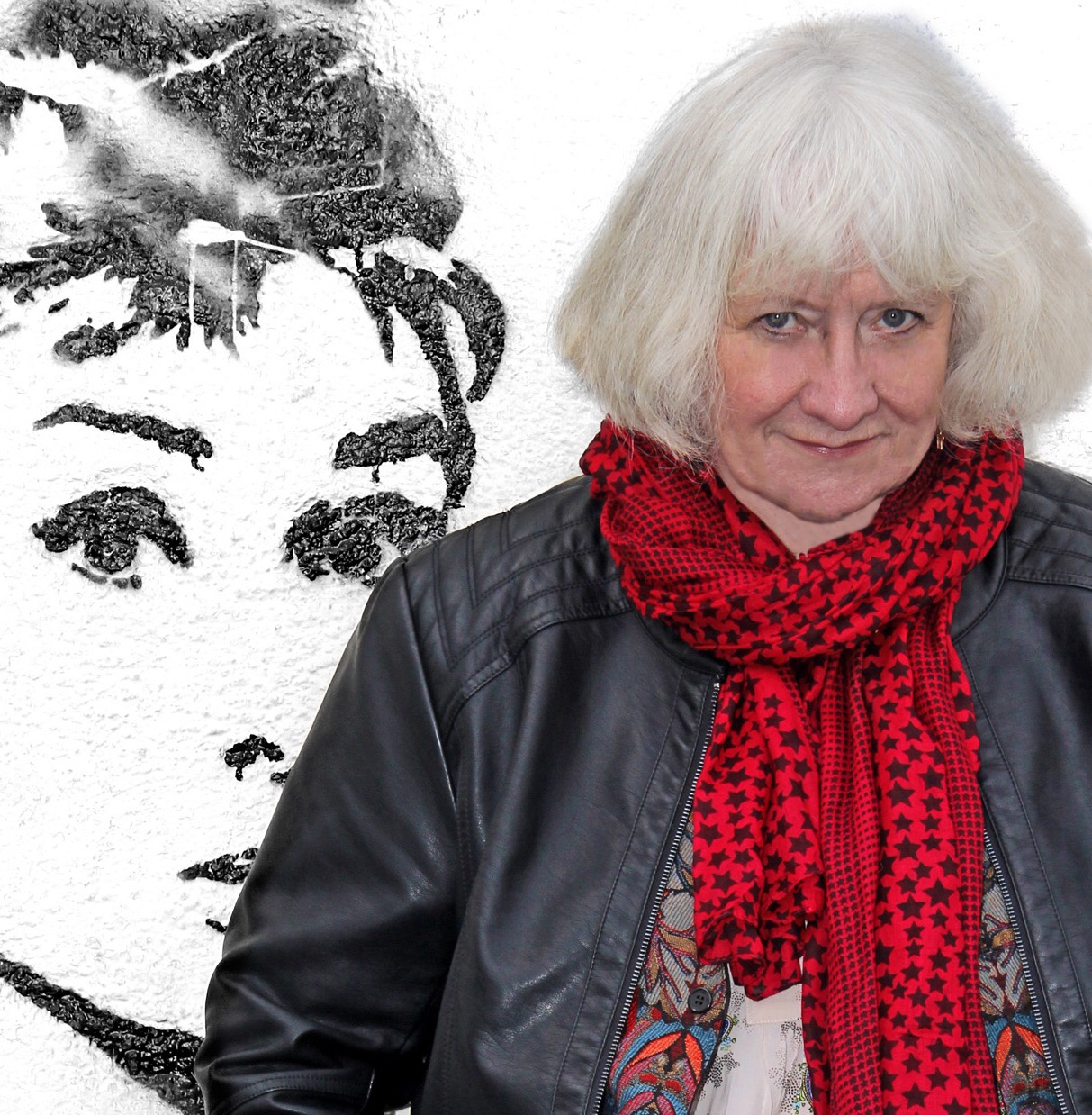
Jan Edwards is a Sussex-born writer now living in the West Midlands with her husband and obligatory cats. She was a Master Locksmith for 20 years but also tried her hand at bookselling, microfiche photography, livery stable work, motorcycle sales and market gardening. She is a practising Reiki Master. She won a Winchester Slim Volume prize and her short fiction can be found in crime, horror and fantasy anthologies in UK, US and Europe; including The Mammoth Book of Dracula and The Mammoth Book of Moriarty. Jan edits anthologies for The Alchemy Press and Fox Spirit Press, and has written for Dr Who spinoffs with Reel Time Pictures. 


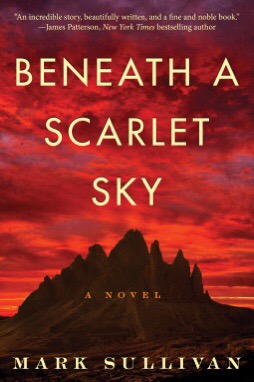
Q & A: Mark Sullivan author of Beneath a Scarlet Sky 


Goodreads|Amazon
Release date: May 1, 2017

Publisher: Lake Union 

Genre: Historical Fiction 

Blurb: 

Based on the true story of a forgotten hero during one of history’s darkest hours.


Pino Lella wants nothing to do with the war or the Nazis. He’s a normal Italian teenager—obsessed with music, food, and girls—but his days of innocence are numbered. When his family home in Milan is destroyed by Allied bombs, Pino joins an underground railroad helping Jews escape over the Alps, and falls for Anna, a beautiful widow six years his senior.


In an attempt to protect him, Pino’s parents force him to enlist as a German soldier—a move they think will keep him out of combat. But after Pino is injured, he is recruited at the tender age of eighteen to become the personal driver for Adolf Hitler’s left hand in Italy, General Hans Leyers, one of the Third Reich’s most mysterious and powerful commanders.


Now, with the opportunity to spy for the Allies inside the German High Command, Pino endures the horrors of the war and the Nazi occupation by fighting in secret, his courage bolstered by his love for Anna and for the life he dreams they will one day share.


Fans of All the Light We Cannot See, The Nightingale, and Unbroken will enjoy this riveting saga of history, suspense, and love. 


I was supposed to be sharing a review of this book today but unfortunately life got in the way when my whole family was struck with a stomach bug. Sigh. So instead, I have a Q & A with the author to share, enjoy! 

Q & A: 

Q: A self-described adventure nut, you’ve said you’re attracted to stories where characters are pushed to their limits and Pino Lella, the hero of BENEATH A SCARLET SKY, is definitely one of these characters. He risked his life guiding Jews across the Alps into neutral Switzerland, then became a spy inside the German High Command. The unlikeliest of heroes, he witnessed unspeakable atrocities that pushed him to his limits. What made him able to do this? What set him apart from so many other people at that time?

A: I am interested in heroes who are pushed to their limits, forced to go beyond themselves, and Pino is certainly one of them. After spending 11 years with this story, I came to believe that Pino was able to survive all these incredible situations because of his basic decency, his gratitude, and his love of life; because of his deep emotional intelligence; and due to his fundamental belief in the miracle of every moment, even the darkest ones, and in the promise of a better tomorrow, even when that promise was not warranted.

That philosophy enabled Pino to go beyond who he was, to be selfless in moments of crisis. He conquered the dangers in the winter Alps by focusing on the people he was saving, their emotions and longings. As a spy I think he believed overwhelmingly in the value of his mission, and he felt compelled to bear witness to the atrocities committed by Nazis in Italy. Pino was also extraordinarily young, and like any brash young man he rarely seemed to let doubt cloud his thinking, high in the Alps, or down in Milan in the presence of General Leyers. And, of course, Anna gave him strength.

Q: When you first talked to Pino in real life, he was reluctant to tell his story, believing he was more a coward than a hero. Yet, you convinced him to talk and ended up going to hear the story in Italy. Tell us about that.

A: The first time I called him from the States, he said he didn’t understand why I’d be interested in him. I told him that from what I knew of his story he was an uncommon hero. His voice changed and he told me he was more a coward than a hero. That only intrigued me more, and after several more calls he agreed to my coming to Italy to hear the story in person and in full.

When I first went to see him I stayed for three weeks. We talked for hours, which turned into days and weeks as I listened to him summon up the past. But by the time I got to Pino, more than six decades had passed. Memories change and fade with time. And a tortured mind will block out traumatic events, bury them in the subconscious, or shade them so the victim can look at them from a tremendous distance, and with little emotion.

He was evasive at times. He had a self-deprecating nature and often downplayed his role and the dangers he faced. I often had to press him to just describe what happened versus filtering it.

Then the deeper story began to surface. We laughed. We cried. We became friends. It ended up being one of the most emotional and rewarding experiences of my life.

Q: You have a background as an investigative journalist for both newspaper and magazines, why didn’t you tell this story as straight narrative non-fiction?

A: That was the original intent, but after years of trying to dig up the documented, fully-corroborated story, I threw up my hands. So many other characters had died before I heard about Pino Lella, and the Nazis had burned so many documents surrounding his story that even after ten years of research I had to make informed assumptions in the narrative.

Once I surrendered to that, I knew I was in the realm of historical fiction and writing a novel. I gave in to it and adjusted by switching obligations. The obligations of the non-fiction writer and the novelists are different. The former must hew to the documented facts and eye-witness accounts. The latter should portray the deeper, emotional truths. I went in that direction, and am glad I did.

Q: Tell us about your friendship and what Pino has meant to you.

A: January of 2006 was a terrible time for me. My brother had drunk himself to death the prior June. My mother had drunk herself into brain damage. I’d written a book no one liked and was involved in a lingering business dispute. That day I realized darkly that my insurance policies were more valuable than my life and potential in the future. During a snow storm, I seriously considered driving into a bridge abutment on an interstate freeway near my home, but I was saved by thoughts of my wife and sons. I was as shaken as I’ve ever been, and did indeed pray for a story.

Over the course of learning about Pino’s story, and as Pino opened up more and more during our conversations, I experienced his deep pain and marveled at his ability to go on after being so depressed and traumatized (he too had contemplated suicide). I had to comfort him repeatedly during the course of his long recounting, and I was moved again and again. During that time, and apart from the details of his war story, Pino taught me about life and his values and the many, many joys he’d been blessed with after handing over General Leyers to U.S. paratroopers on the last day of the war. It made me realize how much I’d put in jeopardy even thinking about suicide. I had a great, loving wife, and two remarkable sons. I had an amazing story to tell. I had a new and dear friend. I was more than lucky. Leaving Italy that first time, I felt blessed to be alive.

I went home a different person, grateful for every moment, no matter how flawed, and determined to honor and tell Pino’s story to as many people as possible. I just never thought it would take as long as it did.

Q: You spent almost nine years researching this story, hampered, in part, by a kind of collective amnesia concerning Italy and Italians during WWII, and the widespread burning of Nazi documents as the war ground to a close. The Nazi occupation of Italy and the underground railroad formed to save the Italian Jews have received little attention. Why have historians taken to calling Italy “The Forgotten Front”?

A: It did take me an awful a long time to dig up the details that surrounded Pino’s story. Over the years and between projects, I spent weeks in the Nazi War Archives in Berlin and Friedrichsburg, Germany, and in the U.S. Archives in Maryland. I went back to Italy two more times, and to Germany a second and third time. All along the way, I was hampered by the burning of Nazi documents in the last days of the war, especially by Organization Todt.

As mentioned, there also was and is a collective amnesia concerning Italy and Italians during WWII. It’s due in part to the savagery that so many Italians, like Pino Lella, witnessed in the last days of the conflict. Northern Italy descended into anarchy, and public revenge killings were widespread. It was so bad that many brave partisan fighters shut their mouths and never spoke of what they saw as the Nazis fled toward the Austrian border. One old partisan told me they were young and wanted to forget those terrible times. “No one talks about the war in Italy,” he said. “So no one remembers.”

I also think historians have tended to ignore Italy because General Eisenhower decided to pull multiple divisions out of Italy in the late spring of 1944 to bolster the fight for France. After liberating Rome in June of that year, the progress of the weakened Allied forces remaining in Italy ground to a virtual halt. And the focus of journalists, historians, and novelists largely turned to the drama of D-Day and its aftermath.

I think that worked in my favor to a certain extent. WWII Italy felt overlooked and unexamined, which made it even more exciting for me as I worked on the book. I realized that in addition to Pino’s story I could tell the broader history of the fight for what Churchill called “the soft underbelly of Europe.”

Q: Why didn’t Pino Lella talk about his experiences for more than 60 years? Is that unusual?

A: It’s not unusual. As I researched the book I found that heroes and tragic victims of the Italian battlefront were commonplace, and often intentionally unheralded or un-mourned. Pino and many, many others who survived the war in Italy blocked out their experiences. They witnessed men and women at their most noble and at their most savage. They rose to challenge after challenge, responded, and in victory and in tragedy promptly buried their memories and told no one.

In my experience, older Italians don’t talk freely about the war. To younger generations it’s as if it never happened. One old partisan fighter I interviewed told me that when he reluctantly went to a high school in Milan recently at the request of a history teacher to talk about the war, the students laughed at him. They said the things he’d seen could never have happened.

Q: You’ve said that global bestselling author James Patterson, your co-author on the Private series, “gave you a master class in commercial fiction.” What are some of the lessons he taught you, and how have they changed your writing life?

A: Mr. Patterson did give me a master class in commercial fiction. I’d written 10 novels before he asked me to collaborate with him, and I thought I knew what I was doing. I didn’t. Not really. For the most part I’d winged it in my earlier works of fiction, writing draft after draft before the real story appeared. Patterson believed in thinking out the plot up front, that novel writing is like house building—you have to be an architect first and design the layout and frame before you start thinking about anything else. Patterson also taught me that we were entertainers, not educators, and that our stories were driven by suspense and mystery but focused on emotion. He really hammered that into me, and I think my writing’s improved vastly because of it.

About the Author:

Mark Sullivan is the acclaimed author of eighteen novels, including the #1 New York Times bestselling Private series, which he writes with James Patterson. Mark has received numerous awards for his writing, including the WHSmith Fresh Talent Award, and his works have been named a New York Times Notable Book and a Los Angeles Times Best Book of the Year. He grew up in Medfield, Massachusetts, and graduated from Hamilton College with a BA in English before working as a volunteer in the Peace Corps in Niger, West Africa. Upon his return to the United States, he earned a graduate degree from the Medill School of Journalism at Northwestern University and began a career in investigative journalism. An avid skier and adventurer, he lives with his wife in Bozeman, Montana, where he remains grateful for the miracle of every moment.


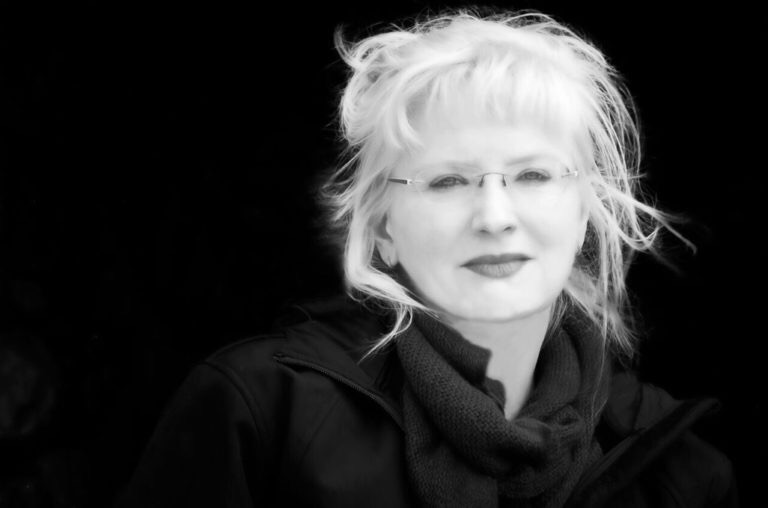
Q & A with Author Erica Ferencik @EricaFerencik

I have to start by saying happy publication day to Erica! I’m thrilled to share a Q & A with her today, she is the author of A River At Night, which I totally loved. You can find my review here, but you definitely don’t want to miss this one, especially if you like thrillers. 

Q & A
 1) What intrigued you about writing about female friendship?


    Everything intrigues me about female friendship. Its very intensity can turn things inside out very quickly.

​I especially love stories of female friendship gone wrong, such as in the 1992 film, Single White Female.

The stakes in female friendship are just as high or higher than in romantic ones. We trust our women friends with so much intimate knowledge – why is that? Our hairdressers know for sure….isn’t that the truth. Why do I still share things with my women friends that I don’t with my husband of twenty-two years?

The stakes are even higher for long term friendships. It’s such a delicate balance to keep these relationships alive, as well as intensely difficult to determine when or whether it may be time to end them, or to come to grips with the fact that – since everything changes – these cherished friendships must change as well.


2) The ending of this book leaves readers feeling unsettled. How did you come up with the ending? Did it change as you went through the writing process?

I’m glad to hear it makes readers feel unsettled!

I had maybe three different endings over time. I didn’t want to sew it up too neatly, but there had to be some ominous things lurking, as well as some light at the end of the tunnel. Even though it’s a pretty wild tale, it’s plausible as well, which is one reason I think it’s so scary.

In terms of how I came up with the ending – without giving it away – I wanted to play with aspects of bringing the “wild” world back into so-called civilization.

One hard part about writing novels – and there are lots of hard parts! – is knowing when you’re done. Where does a story really end? Why there and not someplace else? What is enough for the reader, leaving them satisfied but perhaps wondering a bit, keeping them in the spell of your story – but not in a frustrating way – and what is just too much sewing up or sweeping up for them? It can be a fine line, a really delicate balance.

3) What part was the most fun for you to write?

Let me say it this way: writing is like childbirth: in the end you fall so in l

love with your baby you forget all the pain that came before…

But honestly, I had a blast with the whole thing, from first word to last.

I especially loved writing about white water rafting. For me, it’s this combination of exhilarating and terrifying, like a roller coaster only worse because it’s nature, and (most of us) know better than to mess with that. For me, the moment-to-moment experience of white water rafting can tip from ecstatic joy to oh-my-God I’m going to die.

I loved doing the research, both online and especially in person, interviewing rafting guides and all the off-the-gridders I was fortunate enough to interview.

4) Do you have a favorite character, or one that you identify with the most?

There is the old (writing) saw that every character we create comes from some aspect of ourselves, and I think there’s a lot to that.

I think I am one part Pia – because I’m quite physical and love adventure and used to be very idealistic and clueless like her – now I’m just clueless – and one part Wini, because I’m full of terror and shame. But then I like to think I have a tough Rachel side as well as a sweet Sandra side. Basically I’m nuts.


5) Any tips for people interested in white water rafting?

Don’t.

No, seriously, I would say just make sure the company is legit, the guides actually have some training and experience, and – this depends on your level of risk tolerance for sure – aim for nothing higher than Class 3 rapids, especially if it’s your first time out. Talk to someone who has gone out with the company you’re thinking of using, learn about the river you intend to raft.

As part of my research I had a look at all the accidents resulting in death since records were kept. Man, that will curl your hair. Who died, when, on what river. One out 250,000 rafters, on average, die each year. In 2006, ten died on commercial rafting trips, but the number skews higher if you include people who go it alone.


6) What other research went into writing this book?


I needed to actually visit the place I intended to write about. The farthest north in Maine I had ever been was Portland, so it was time to plan a trip up into the hinterlands – the storied Allagash Wilderness, over 5,000 square miles of rivers, lakes, and forest.

​My goal – one of them – was to interview people who live off the grid.

But I didn’t know a soul up there.

I called the chambers of commerce in towns from Orono to Fort Kent, as far north and west you can go until the road ends and the forest begins, which is just past a little town called Dickey.

​Everyone I spoke to on the phone said: well, these folks don’t want to be contacted. That’s why they live off the grid…but I do know someone who knows someone…soon I was able to line up half a dozen interviews with people who had decided to disappear.

​I left my house with a backpack filled with power bars, warm clothes and mace, with plans to interview five individuals and one family who had decided to cut themselves off from civilization.

​Even though I made hotel reservations for nine nights, I only needed them for the first and last, because everyone I met offered me a place to stay.

I crashed in two cabins, a teepee, a yurt, a rehabbed bus, and a boat (in a field, not on water.)

In December.

Sometimes a good mile from anything resembling a road.


7) What inspired you to write this book?

I think there were two major inspirations: a book, and an ill-fated hiking trip I took in the summer of 2012.

One:

I read and fell in love with James Dickey’s 1970 novel Deliverance. Most people have seen the movie – cue the banjos! – but I’m not sure the book has gotten the love it deserves.

Dickey was a poet, but he also wrote this fabulous, propulsive, first person novel about four male friends who go white-water rafting in the Georgia wilderness. The story was utterly terrifying to me; I was struck by this series of bad decisions that led to disaster.

Two:

The summer before I started the book I was hiking in the White Mountains with a few friends and we got lost. We had all depended Lucy to map out the day; she was the one who had the most experience, the one we were convinced knew what she was doing. Turned out, Lucy had done some did pretty shabby planning.

The idea was to get to the hut – maybe it was Carter Notch or Zealand – by around five to get cleaned up and grab a bunk before they serve dinner at 5:30. But we were still hiking at 7:30; thank God it was summer so it was still light, but we had some older people with us, specifically a very tall, teetery gentleman in his seventies lugging this ginormous pack, and I thought we are going to have to carry this guy…we ran out of water and food, and one of the women had such bad cramps in her calves and hamstrings we had to stop and massage her muscles just so she could unbend her legs. The wind had picked up and the temperature dropped like a stone, and we were up past the tree line scrambling over huge boulders, completely exhausted and scared…anyway we made it to the hut barely able to see our hands in front of us to discover that they had been organizing a search party there. They were all suited up. I’ll never forget the looks on their faces when we stumbled in the door…talk about food tasting good, talk about a cot feeling like the Four Seasons…we had been so close to spending the night on the mountain, alone.

8) According to you, what are the key factors in writing a compelling thriller?


​You need a great story, first of all, with complex characters who actually want something, and – cliché I know – but they must undergo some change at the end of the book.

I think dread is super important. You need to create a sense of unease that doesn’t let up. Leave enough questions unanswered to keep the suspense going, but not so many that the reader gets annoyed or confused.

For me, most important is that I need to be emotionally involved with SOMEBODY in the story, usually the protagonist, in order for me to care enough to keep reading. I enjoy being intellectually engaged, but I don’t care about solving some sort of puzzle – that’s where I think some thrillers really are mysteries in disguise.

I like short chapters – both reading and writing them. Cliffhangers at the ends of chapters are a great idea, they don’t have to be something crazy each time like will she fall off the cliff or not, they can be much more subtle, but still impel the reader to say to herself: okay, I’ll read just one more chapter before I go to sleep…

That’s what you want: a reader who wants to read your next sentence, paragraph, page, chapter, and ultimately your next book.


9) Who is your literary inspiration?


​There are literally hundreds of authors who inspire me. Most recently, though, I’d have to say Peter Matthiessen, who wrote, among other things, the mind-blowing At Play in the Fields of the Lord, Lily King’s Euphoria, Claire Messud’s The Woman Upstairs, James Dickey’s Deliverance (0f course) and Stoner, by John Williams.


10) Which books have you enjoyed reading recently?


The North Water, by Ian McGuire: absolutely riveting and brilliant

In the Cut, by Susanna Moore: terrifying, sexy, an underappreciated gem

A Carnivore’s Inquiry, by Sabina Murray: talk about dread! Another under-loved treasure

Contrary Motion, by Andy Mozina: heartbreaking, funny, unputdownable

The Financial Life of Poets, by Jess Waller: hilarious: a very rare and difficult thing to accomplish on the page.


11) What are you working on next?


My next novel is a survival thriller set in the Peruvian Amazon about a young American woman who falls for a local man and goes to live in his jungle village. There she experiences the joys of family for the first time, only to be threatened by a mysterious illness as well as the warring tribe that holds the cure.

This means I am planning a trip to the Peruvian Amazon this May to do research. I’m terrified and excited at the same time.

About the Author: 
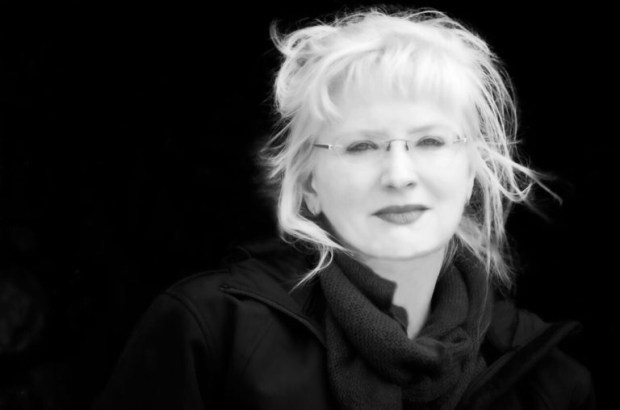

Erica Ferencik is a graduate of the MFA program in Creative Writing at Boston University. Her work has appeared in Salon and The Boston Globe, as well as on National Public Radio. Find out more on her website EricaFerencik.com and follow her on Twitter @EricaFerencik.

Thanks to Erica for joining me today! 
Saturday Shoutout: Q & A/Giveaway with @mtaracrowl

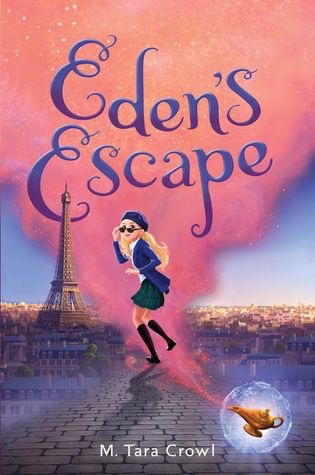
Christmas may be over, but I have a chance for you to win a fantastic prize! M. Tara Crowl is the author of the middle grade series Eden’s Wish and Eden’s Escape. She’s joining me today for a Q & A and she’s generously giving away one signed copy of Eden’s Escape! The Rafflecopter is at the end of this post. Read on for more information about the series and the Q & A!

About the Books: 


Eden’s Wish

(Eden of the Lamp #1)

By M. Tara Crowl

From Disney-Hyperion

Release Date: September 1, 2015

Ages 9-12

All twelve years of Eden’s life have been spent in an antique oil lamp. She lives like a princess inside her tiny, luxurious home; but to Eden, the lamp is nothing but a prison. She hates being a genie. All she wants, more than anything, is freedom.

When Eden finds a gateway to Earth within the lamp, she takes her chance and enters the world she loves. And this time, she won’t be sent back after three wishes.

Posing as the new kid at a California middle school, Eden revels in all of Earth’s pleasures–but quickly learns that this world isn’t as perfect as she always thought it was. Eden soon finds herself in the middle of a centuries-old conflict between powerful immortals. A ruthless organization run by a former genie will stop at nothing to acquire the lamp and its power–even hurt Tyler and Sasha, the new mortal friends who have given Eden a home. To save her friends and protect the lamp’s magic, Eden must decide once and for all where she belongs.

Goodreads|Amazon|Barnes & Noble|Indiebound


Eden’s Escape

(Eden of the Lamp #2)

By M. Tara Crowl

From Disney-Hyperion

Release Date: September 6, 2016

Ages 9-12

Eden’s new life on earth begins in New York City under the guidance of her new guardian: Pepper, a petite, bubbly genie alum who’s also a Broadway actress. Before she has a chance to settle in, though, Eden is whisked away for a granting–only to find herself trapped in a laboratory. David Brightly, owner of the world’s leading tech company, cares more about tapping into the lamp’s power than making a wish and starts performing tests on Eden. With Brightly’s plasma shield around the lamp, Eden has no way home. Left without a choice, she escapes the lab and goes on the run. After her daring exit, Eden finds herself on the streets of Paris–home to Electra’s headquarters. Left in a strange city with a price on her head (courtesy of scheming Brightly), Eden has to keep her wits about her. She dons a chic disguise and flits around Paris incognito, investigating Brightly Tech. Assisted by Pepper and her old adversary Bola, as well as some new friends, Eden embarks on a quest to retrieve the lamp and protect the secrets of the genie legacy.

Goodreads|Amazon|Barnes & Noble|Indiebound
PRAISE

“Crowl’s imaginative storyline rings with both perception and humor.”

―Kirkus Reviews

“Middle grade readers will enjoy the children’s autonomy and Eden’s humorous difficulties in grasping how school works…Hand this to readers who like their magical fantasy combined with middle school drama.”

―School Library Journal

“An imaginative romp with a smart, snarky protagonist and a humorous interpretation of the world as we know it…[Eden] is also just plain entertaining, with a sassy attitude and a clever wit that saves her on more than one occasion.”
―BCCB

About the Author: 


M. Tara Crowl grew up in Murfreesboro, Tennessee. She studied Cinematic Arts at the University of Southern California, then received an MA in Creative Writing at Macquarie University in Sydney, Australia. She lives in New York City.

 Facebook|Instagram|Twitter|Website

Q & A: 

1. What’s a typical writing day for you look like? Describe your perfect writing environment.


Most days, I walk to the restaurant my husband owns in our neighborhood, and we eat breakfast there. Sometimes I stick around and write there for a while, but usually I head home to work. My perfect writing environment is quiet and comfortable – usually, my sofa in my living room!


2. How did you get started writing? Was it something that you’ve always loved?


When I was a kid growing up in Tennessee, I was a big bookworm. And from as far back I can remember, I wanted to write books like the ones I loved so much. But in high school, I decided that I wanted to make movies instead. After graduation, I moved to LA to attend film school at the University of Southern California, and after college, I worked in Hollywood for two years. I loved what I was doing, but I also realized that I was never going to be happy if I didn’t take a shot at writing my own stories. So I left LA and moved to Sydney, Australia for a Master’s program in Creative Writing at Macquarie University. I’ve been writing ever since then. 


3. Who are your favorite writers/inspirations?


Roald Dahl, Madeleine L’Engle, and Kate DiCamillo are a few of my favorite children’s authors. Matt de la Peña is a huge inspiration too. In a broader storytelling sense, I love thrillers and am inspired by their structure, so books by Patricia Highsmith and movies made by Alfred Hitchcock are important influences for me.


4. Anything you can tell us about upcoming projects?


I’m currently writing a new book that’s completely different from what I’ve done before. It’s challenging because it’s so different from the Eden books, but I’m really excited about it.


5. Normally how do you develop plots/characters? Brief us on your process.


Normally I have a general plan for where a book is going to go, and I outline a few chapters ahead, but I try to let the story flow organically. I’ve found that it works better for me when I let the story breathe and come into its own along the way. 


6. Favorite character from one of your own novels?


I have to say my protagonist, Eden. She’s brave, funny, smart, and adventurous. But I also love some of the immortal genie alumni she comes into contact with on Earth. One of my favorites is Pepper, Eden’s guardian in Eden’s Escape. She’s a Broadway actress who’s lived in New York for hundreds of years. She’s bubbly and full of life.


7. Preferred method for readers to contact you?


I love it when readers email me. But there’s nothing better than a letter written on notebook paper, handed to me by a reader at a school visit. Usually they include drawings too!


8. On average, how long does it take you to write a book?


It totally depends on the scenario. Eden’s Wish took about three years from when I started it to when it sold to the publisher, but I wasn’t working on it the whole time. I was working lots of different jobs, and sometimes I didn’t write for weeks or even months at a time. Eden’s Escape was written under contract with Disney-Hyperion, so I had a set timeline. It probably took about nine months to write that one.


10. Which one of your characters do you relate to the most?


Eden. I relate to the way she yearns to explore the world, and feels trapped inside her lamp. Since she’s lived inside the lamp for her whole life, she sees everything on Earth with wonder: the sun, the ocean, animals, all kinds of people, and everything green and growing. Writing about those things from her perspective reminds me to appreciate them for myself.


11. If writing wasn’t your career what would you be doing?


It’s hard to say! Maybe I’d still be working in Hollywood, or maybe I would have left that regardless. Maybe I’d be working with my husband at the restaurant. Or maybe something completely different. Who knows!


12. What’s the best compliment that you’ve received about your work?


At one school I visited, a fourth-grade girl gave me a letter that said she loved Eden’s Wish so much, she wanted to read it over and over. I vividly remember loving books so much that I would read them again and again at her age, so that was a pretty special compliment for me.


 Huge thanks to M. Tara Crowl for answering my questions!


a Rafflecopter giveaway
https://widget-prime.rafflecopter.com/launch.js

Review/Q & A: Stalked by Elizabeth Heiter @ElizabethHeiter


Goodreads|Amazon|Author Website
Release date: December 27, 2016

Publisher: MIRA

Genre: Mystery/Thriller

Blurb: 

If you’re reading this, I’m already dead…


That’s the note seventeen-year-old Haley Cooke leaves behind when she disappears from inside her high school. FBI profiler Evelyn Baine is called in to figure out who had reason to hurt her. On the surface, the popular cheerleader has no enemies, but as Evelyn digs deeper, she discovers that everyone close to Haley has something to hide. Everyone from estranged parents, to an older boyfriend with questionable connections, to a best friend who envies Haley’s life. 


Secrets can be deadly… 


One of those secrets may have gotten Haley killed. If she’s still alive, Evelyn knows that the more the investigation ramps up, the more pressure they could be putting on Haley’s kidnapper to make her disappear for good. It’s also possible the teenager isn’t in danger at all, but has skillfully manipulated everyone and staged her own disappearance. Only one thing is certain: uncovering Haley’s fate could be dangerous—even deadly—to Evelyn herself.

Review: 

Before I jump into my thoughts, I have an interesting Q & A with the author after the review that you won’t want to miss, so please check it out.

This read much like an episode of Criminal Minds which I mean as a huge compliment as it’s one one of my favorite shows. My husband and I have watched every single episode from all twelve seasons, so to say that I’m a fan is putting it mildly. I was initially grabbed by the blurb because it sounded so similar, and though it definitely is, this book is unique enough that it stands out on it’s own. It’s also the fourth book in Heiter’s Profiler series, but I haven’t read the first three books and had no issues catching up. 

The opening definitely pulls the reader in, Haley has been missing for thirty days and the FBI in the form of Evelyn Baine is called in for assistance. Right away a missing piece of evidence is discovered, a note from Haley saying, if you’re reading this, I’m already dead. It certainly upped my interest and added something dark and sinister to the story. What follows as Evelyn and a local police officer, Sophia dig into Haley’s life is a web of secrets and shocking revelations.

Heiter is a skilled writer and the level of detail she adds is astounding, you can tell she really knows what she’s talking about as far as the profiler stuff is concerned. Though there is so much going on and so much information is being relayed, I was never bored. Quite the opposite actually, I was fascinated. There were tons of characters to work through making trying to figure out who the culprit is even tougher for Evelyn and the reader. The plot was complex and intricate with a great deal of thought put behind it and the characters were also well developed. I liked both Evelyn and her boyfriend Kyle, both separately and together and I know I’ll enjoy following their story as the series continues. The suspense was slow burning, but mounting throughout and it definitely ramped up towards the end and the conclusion provided clear cut answers and nicely executed twists. 

Overall rating: 4/5

Thanks to Emer at MIRA for my review copy. 

Q & A with Elizabeth Heiter 
 

1. What’s a typical writing day for you look like? Describe your perfect writing environment.


I write almost every day, and I always begin by editing what I wrote the day before. Typically, I’m writing one book, revising another, and researching a third at the same time. My perfect writing environment is either sitting in a coffee shop and playing music over my headphones or sitting in my dining room with a parrot on my shoulder. Regardless, there’s always a mocha latte beside my computer.


2. How did you get started writing? Was it something that you’ve always loved?


I honestly can’t remember a time I didn’t want to be a writer. I think it comes in part from having a mom who read to me a lot as a child. Before I could write my own stories, I’d tell them to her (and insist she also make some up for me – for a math teacher, this was a challenge, but she did it!). Once I could actually start writing, it was all over. Long before I was published, I was reading my stories to any family/friends who would listen.


3. Who are your favorite writers/inspirations?


This list could be enormous! Some of my big influences over the years have included Shakespeare (mystery, drama and romance all in one), the Brontës (atmosphere), Lisa Gardner (great twists and strong, female-driven stories) and Tom Clancy (extreme attention to detail).


4. Anything you can tell us about upcoming projects?


STALKED, the next book in my Profiler series, hits stores on December 27th. When a high school student goes missing from inside her high school, leaving behind a note foretelling her own death, FBI profiler Evelyn Baine is called in to unravel the case. Everyone in the girl’s life seems to be hiding secrets, from her step-father to her boyfriend to her best friend. The deeper Evelyn digs, the more she realizes that uncovering Haley’s fate could be the death of Evelyn herself.


After STALKED, I’ll be releasing a new trilogy of stories in my romantic suspense series, The Lawmen. As children, three orphaned boys formed their own family. Years later, these lawmen try to unravel the secret that separated them so many years ago.


5. Normally how do you develop plots/characters? Brief us on your process.


Every story is a little bit different. For The Profiler series, the idea originally came to me because I’d read a book about criminal profiling by a former FBI profiler. I was fascinated by the idea that someone could go to a crime scene with no suspects, no useful forensic evidence and no promising leads, then look at the behavioral clues the perpetrator didn’t know he’d left behind in order to form a picture of who did the crime. I loved the idea of writing a character like that and Evelyn Baine was born. Now that she’s an established series character, plot ideas are sometimes inspired from real-life events (such as STALKED), sometimes by where Evelyn is on her character journey (such as SEIZED) and sometimes by what I’d put in her past (such as VANISHED). Developing each story usually involves me asking “what if…” over and over again (usually while I pace). Eventually, as I discard the obvious choices and get excited over new twists, the story outline is born.


6. Favorite character from one of your own novels?


It’s hard to choose a favorite, but I do have a soft spot for Evelyn Baine. In the first book of the series, part of what I wanted to explore was how two people who came from similar hardships as children could end up in such opposite places (Evelyn joined the FBI and the person she’s chasing became a serial killer). Evelyn was driven to join the FBI after her best friend went missing when she was twelve years old and was never found. Evelyn begins the series closed-off and so focused on that goal that she forgets to live her life. Slowly, as the series develops, she grows into a character who’s willing to take more chances, including dating the agent who has been pursuing her from the beginning.


7. Preferred method for readers to contact you?


I love hearing from readers however they want to chat! They can email me through my website at http://www.elizabethheiter.com or chat with me on social media (www.facebook.com/elizabeth.heiter.author and http://www.twitter.com/ElizabethHeiter).  


8. On average, how long does it take you to write a book?


Right now, I generally block about six months for my suspense books and three to four for my romantic suspense (which are shorter). But that’s just the actual writing part. Before that time begins, I’ve already completed most of my research (because I’m doing it as I write the previous book) and I have a bullet-point outline of the major plot points and character changes throughout the story.


9. Which one of your characters do you relate to the most?


In many ways, I really relate to Evelyn (which may be why she’s my favorite). We’re similarly driven (I’ve always wanted to write and everything can be fodder for a story). As a child, stories were also an escape – a way to experience a different life and to see a world where justice would prevail at the end. I’ve always wanted to write strong female characters and to me, Evelyn embodies that. She may not be the stereotypical badass woman, but she has an intellectual strength (and she’s also got that FBI training, so suspects shouldn’t underestimate her)!


10. If writing wasn’t your career what would you be doing?


After college, I got scholarship offers for law school and I held onto one of them (deferring admission) for a year because I was torn – I was really interested in the law, but I worried that the hours required in the job I wanted (public interest, helping women in children in particular) would leave little time to write. But if I wasn’t so obsessed with writing books, I might be a lawyer – and from there, I probably would have applied to the FBI. Almost every time I interview a Special Agent, they tell me I should apply!


11. What’s the best compliment that you’ve received about your work?

I have two favorites. The first is when people finish my books and ask if I was ever in the FBI, which tells me that my story rings true to them. The second has been from people who have experienced whatever I’m writing about, and told me it helped them deal with their own past (e.g., a sexual assault survivor who read one of my romantic suspense stories and told me it was cathartic and empowering). It’s one of the reasons I love to write – to do for others what stories have done for me. There’s nothing quite as moving as when I succeed at that, whether it’s helping someone deal with their own experiences or just providing an escape.


Q & A/Giveaway: Frank Westworth 


I’m pleased to share a Q & A with Frank Wentworth who recently released a collection of short stories called The Stoner Stories AND and a giveaway with you guys today! 

About the Book: 

STONER STORIES anthology collects the first five JJ Stoner quick thrillers and includes an all-new, previously unpublished story, SPECIAL RELATIONSHIP.


This collection reveals the shadowy secrets of covert operative JJ Stoner, who uses sharp blades, blunt instruments and his innate persuasiveness to discreetly resolve tricky situations for the British government in six action-packed episodes. And there’s more – an insight into the author’s inventive methods of dealing with death, and an intimate encounter with an ice cold killer…

Amazon UK|Amazon US|Goodreads

Sneak preview from SPECIAL RELATIONSHIP:
‘I’m here for the music. For the festival. And the only baggage I carry is that, which you are welcome to examine as you will. No weapons. None at all.’ His smile was a gentle smile of innocence.
‘You’re a musician as well as a murderer, Mister Stoner. We have no problem with either talent.’ Again she smiled, a radiance matching his own in its insincerity. ‘And we’re both of us – all of us – aware that in the same way you’ll be able to find an instrument should you decide to play something, so you’ll be able to find a weapon should you decide to kill someone.
‘We have no problem with the music. Just the other thing.’

About the Author: 

Frank Westworth shares several characteristics with his literary anti-hero, JJ Stoner: they both play mean blues guitar and ride Harley-Davidson motorcycles. Unlike Stoner, Frank hasn’t deliberately killed anyone. Frank lives in Cornwall in the UK, with his guitars, motorcycles, partner and cat.

Facebook|Website|Blog

Amazon|Goodreads
Q & A: 

Frank Westworth’s new collection of quick thrillers, The Stoner Stories, has just been published. While he was waiting to unleash his murderous musician, JJ Stoner, on the world, Frank took time out to answer a few questions for us…


1. What’s a typical writing day for you look like? Describe your perfect writing environment.


Just to be awkward – as a chap should be – I have two types of ‘typical writing day’. The first is the typical writing night. When I can make the time, I load up the Harley with vitals and an ancient Dell netbook on which I write nothing but fiction, and head off to a cheap hotel. Park up, disconnect from the Net, fire up the netbook and write until my eyes are too tired to see the screen. Next day; ride further to another lodge and repeat. Repeat again until I run out of time. Coffee, lots, and alcohol occasionally, depending on what I’m trying to write.

The second kind is aboard ships – cruise ships. Every afternoon I pile back to the cabin after a suitable lunchtime intake of inspirational food and … ahem … drink, set up the same netbook and write until the Better Half comes back from the gym.

I carry around all the cues, small familiar items. My own brand of instant coffee. And a rubber Tasmanian Devil which is actually a USB stick on which I store all the copy. There’s nothing else on it and it lives separate from the netbook so I’m unlikely to lose both. I like to nest, if you like. Set things out in a familiar pattern wherever I am. Don’t go online. Switch off the phone. I almost never have any idea what’s going to happen so writing the book is just like reading someone else’s, if you can picture that. I’m always fired up after a decent haul on the motorcycle, and that energy carries the story along.


2. How did you get started writing? Was it something that you’ve always loved?


I started writing non-fiction in 1984 or so, went full-time in 1988, and still write allegedly technical copy for a living. It pays for the rest and is fun. Fiction though? I’m a big reader, and wrote a novel in 1990 or so, just to see whether I could. I like inventing stories, and I love inventing characters. So…  

The first book was so bad that I binned it. Not bad in any serious sense, except … it was a typical End Of A Relationship thing and was far too personal.


3. Who are your favourite writers/inspirations?


Too many to list, really. Inspiration is easiest: everything out there. Every person and every situation have a tale to tell. The secret is in being interested in other people and learning from them.

Favourite writers? In no particular order: James Crumley, RJ Ellory, Haruki Murakami, Jack Grimwood, Fred Vargas, Barbara Nadel, Iain Banks, Quentin Bates, James Church, James Lee Burke, Karin Fossum, John Connolly, CJ Cherryh, Lee Child… the list is probably endless. I study how the guys on this list write their stories, though, to see how the good guys fly.


4. Anything you can tell us about upcoming projects?


Yep. The third novel in a series of three is out in March 2017, and I’m writing the fourth at the moment. Every good trilogy has more than three parts! And the collection of six short stories is coming out any moment now. There’s another short story under way too. It’s fun to switch between the styles of writing required for short and long tales.


5. Normally how do you develop plots/characters? Brief us on your process.


The characters and the fictional world come first. I think about the characters a lot; who they are, where they are, how they got there; where are they going and why? Then, as soon as the character list is established and they all start interacting in my head, I look for a plot. It needs to be a conflict. Everything in fiction revolves around conflict, be it rivalries in love, in work, in aspiration, or maybe the result of an action – or a failure to act in some cases. Plots are the easy part. The characters are difficult.


6. Favourite character from one of your own novels?


Oh. Just one? That’s very hard. Pause for thought here.

OK. JJ Stoner is the central character in all my stories, and when the first full-length novel – A Last Act Of Charity – opens we find him with his regular girl, known mostly as the dirty blonde. She’s a hooker by trade, and their relationship is as unusual as you might expect for a hooker and a spook. I really like her, and wish there was more space to talk about her more – maybe in a short story sometime soon.

She’s black African, very tall, thin, dyed blonde stubble on her head and some small blue tears tattooed below one eye. I know why and how she got those, but… I’m not saying. Physically, she’s modelled on a waitress in a central London Pizza Hut. Really.


7. Preferred method for readers to contact you?


Email: frankswrite@gmail.com or on Facebook. I always reply, private Fb messages are fine.


8. On average, how long does it take you to write a book?


The first took maybe four years, because I re-wrote the front end so many times trying to get it right that I wasted ages. Then – writers being generally a very friendly bunch – top-bestselling author RJ Ellory read the manuscript and really beat me up about it. He gave me loads of suggestions, ideas, ways to work. Invaluable. It was fast after that.

The second took maybe eighteen months and the third a little longer, because the day job took up a lot more time than I’d expected.


10. Which one of your characters do you relate to the most?


JJ Stoner. He is almost always confused by almost everything, but finds almost everything fascinating. I’m very like that – very analytical. He plays loud blues/rock guitar, as I do, and he rides a Harley, as I do. However, he’s an ex-soldier, which I’m not (though both my brother and sister are) and he’s very violent, which I’m not. Not at all. He also likes to drink and to run and…


11. If writing wasn’t your career what would you be doing?


My mother wanted me to be a Roman Catholic priest. I was a musician for a while. Somewhere between those, most likely.


12. What’s the best compliment that you’ve received about your work?


Two truly successful, accomplished and seriously high-sales authors told me that I really could write, and that I should carry on doing it. And then … they both said I should write more. That was brilliant.

Giveaway! 

WIN! A Gripping Crime-Thriller


To celebrate this week’s launch of THE STONER STORIES – a collection of six quick thrillers by Frank Westworth – we’re giving away a signed paperback copy of THE CORRUPTION OF CHASTITY by the same author; ‘a dark, gritty thriller full of contradictions.’


In ‘Chastity’ covert operative JJ Stoner is trying to keep a low profile, unaware that he’s being stalked by more than one killer woman. ‘The writing is stylish, clever, razor-sharp, and we are left in awe of the Killing Sisters, with all their murderous skills and their sexual savagery,’ said Crime Fiction Lover. What happens when our underworld investigator confronts an ice cold contract killer? One lucky winner will find out!


On top of that, ten runners-up will receive an ebook edition of FIRST CONTRACT, the short story which introduces JJ Stoner to an unsuspecting world. A decade ago, Stoner was a soldier. He killed people for a living and made no bones about it. On a scorching day in the Iraqi desert, when British blood stained the sand, he over-stepped the mark. Men died in compromising circumstances; too many men for an easy explanation. Faced with a dishonourable discharge and accusations of murder, Stoner accepted an offer from a stranger who represented an intelligence agency. Suddenly, Stoner found himself half a world away and about to execute his first private contract…

It’s easy to enter this giveaway, and stand a chance of winning either a signed paperback or an ebook quick thriller. All you need to do is:

-like the MurderMayhemandMore page on Facebook

-like, share or comment on the pinned ‘giveaway’ post at the top of the page

You’ll automatically be entered into the prize draw.


Folk who aren’t on Facebook can also enter – just drop an email to info@murdermayhemandmore.net and head it up ‘Stoner Stories Giveaway’.


Good luck!


The giveaway closes on 21 November 2016. The winners will be picked at random from all entrants. No alternative prizes are on offer.

Thanks to Frank Westworth for joining me today!